AI-Powered Phishing Attacks: How SSL Can Help Protect Your Data
March 20, 2025
The Future of One-Click SSL Setup for Non-Tech Users
April 2, 2025Why Some Websites Still Don’t Have SSL in 2025 (And Why It’s a Problem)
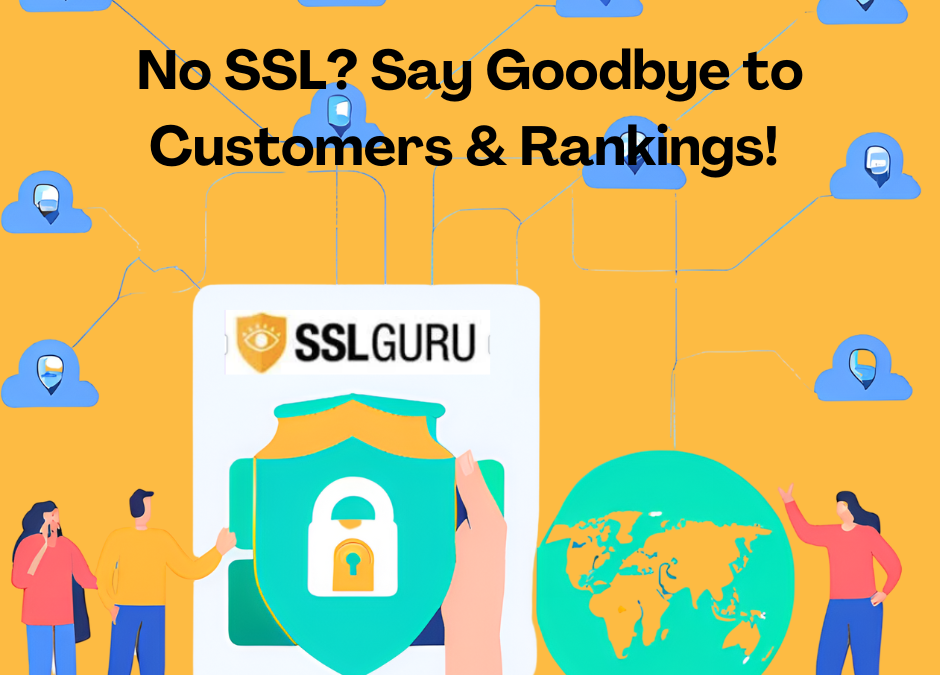
The State of SSL in 2025
Despite years of cybersecurity awareness campaigns and major browser updates, some websites still operate without SSL encryption. This means that they continue to use HTTP instead of HTTPS, putting users at risk.
Why Some Websites Still Lack SSL
- Lack of Awareness
Some website owners, especially small businesses, still don’t understand the importance of SSL or believe it only applies to large companies. - Cost Concerns
While many hosting providers offer free SSL certificates, some businesses avoid upgrading due to perceived costs or lack of technical expertise. - Technical Challenges
Implementing SSL can be complex for legacy systems, requiring additional configurations that some businesses are reluctant to undertake. - Neglect or Inertia
Some website owners simply don’t prioritize security, assuming that their small-scale operations won’t attract cyber threats.
Why This Is a Huge Problem
- Data Security Risks: Without SSL, sensitive information such as login credentials and payment details are vulnerable to interception.
- SEO Penalties: Google continues to prioritize HTTPS sites in search rankings, meaning non-secure websites suffer in visibility.
- Browser Warnings: Modern browsers label HTTP sites as “Not Secure,” discouraging visitors from engaging with such sites.
- Trust Issues: Consumers are increasingly aware of online security. A website without SSL appears outdated and untrustworthy.
The Solution: Making SSL a Standard
Website owners must recognize that SSL is no longer optional—it’s a basic requirement for running a secure and credible online presence. Hosting providers, cybersecurity firms, and web developers should continue educating businesses on SSL implementation and maintenance.