SSL & E-Commerce: Protecting Customer Data from New Cyber Threats
March 11, 2025
Wildcard SSL vs. Multi-Domain SSL: Which One Is Right for Your Business?
March 11, 2025From HTTP to HTTPS: Why Some Sites Still Haven’t Made the Switch
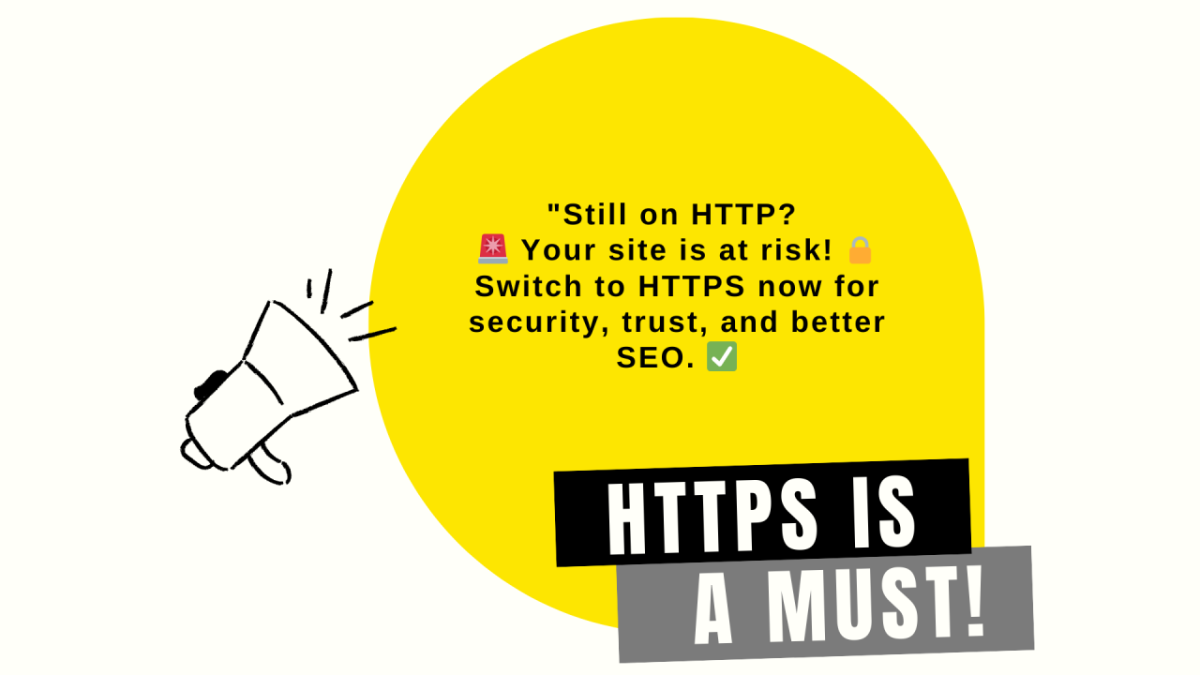
The internet has become a battleground for cybersecurity, yet many websites still cling to outdated HTTP protocols, leaving users vulnerable to data breaches, phishing attacks, and man-in-the-middle exploits. In 2025, there’s no excuse for running a website without HTTPS—but why do some sites continue to lag behind?
The Risks of Sticking with HTTP
When a website operates on HTTP, any data exchanged between the user and the site is transmitted in plain text. This means hackers can easily intercept sensitive information, including passwords, payment details, and personal data.
Beyond security risks, major browsers like Chrome and Firefox now flag HTTP sites as “Not Secure,” leading to loss of visitor trust and increased bounce rates. Additionally, Google prioritizes HTTPS sites in search rankings, meaning HTTP websites may be losing valuable SEO traffic.
Why Haven’t All Sites Switched to HTTPS?
Despite the benefits, some site owners are still hesitant to make the transition. Here’s why:
🔹 Misconceptions About Performance – Some believe that HTTPS slows down website speed. However, modern TLS (Transport Layer Security) encryption is optimized for efficiency, often improving performance through faster, more secure connections.
🔹 Lack of Technical Knowledge – Smaller businesses and independent site owners may not have the expertise to handle SSL installation or migration.
🔹 Cost Concerns – While some premium SSL certificates come at a price, free SSL options (such as Let’s Encrypt) are widely available and just as secure.
How to Migrate to HTTPS
Switching to HTTPS is easier than ever. Here’s a simple action plan:
✅ Obtain an SSL Certificate – Many hosting providers, including SSLGURU, offer free SSL certificates or automated installation tools.
✅ Update Internal Links – Ensure all internal site links use HTTPS to avoid mixed content issues.
✅ Implement HSTS (HTTP Strict Transport Security) – This prevents downgrade attacks and ensures all traffic remains encrypted.
✅ Redirect HTTP to HTTPS – Set up 301 redirects to automatically send visitors to the secure version of your site.
The Bottom Line
Migrating to HTTPS is no longer optional—it’s a necessity for online security, SEO performance, and user trust. If your website is still running on HTTP, it’s time to make the switch before cyber threats and search engines penalize you.
🌍 Need help securing your site? Follow SSLGURU for expert insights on website security and SSL solutions!