Browser Wars: How Chrome, Safari, and Firefox Handle SSL in 2025
March 11, 2025
How AI-Generated Deepfake Attacks Are Targeting Websites in 2025
March 11, 2025The Future of Digital Certificates: Are Passwordless SSL Logins Next?
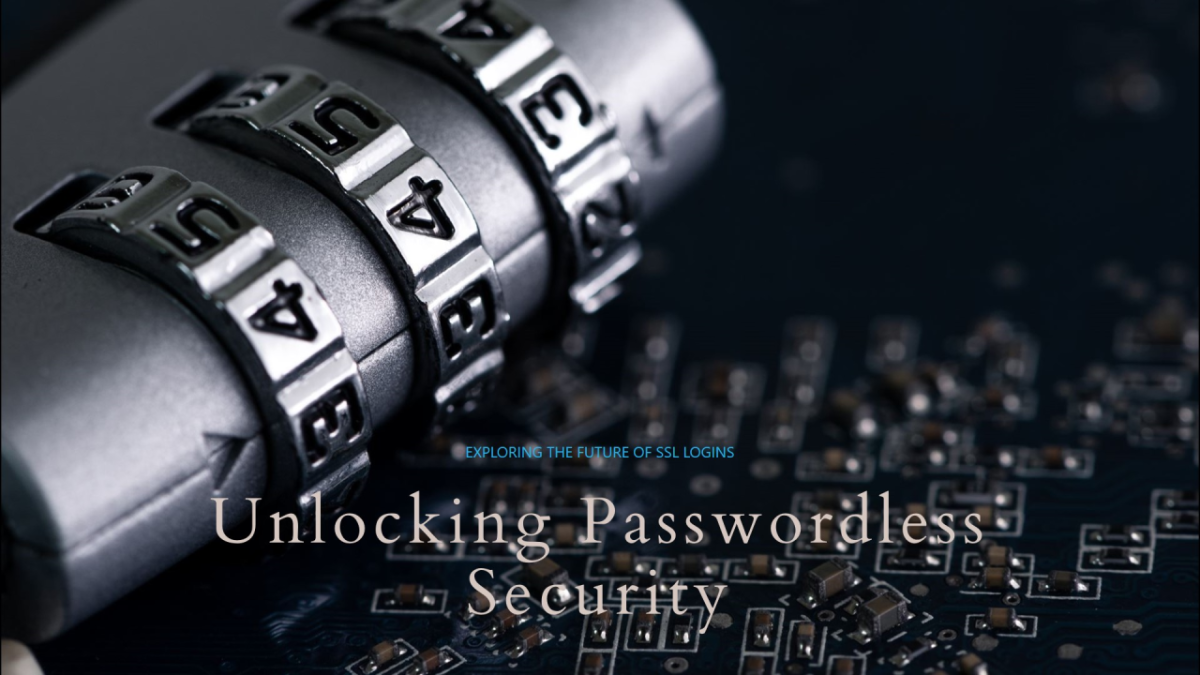
Passwords have long been the weakest link in cybersecurity. Users struggle to remember complex combinations, reuse credentials across platforms, and fall victim to phishing scams. In response, tech giants are pushing passwordless authentication, and at the heart of this shift lies SSL-backed authentication and public key cryptography.
Why Passwordless Authentication is Gaining Momentum
Traditional password-based systems are vulnerable to attacks like:
- Credential stuffing – Hackers use leaked credentials from one site to access another.
- Phishing scams – Fraudulent emails trick users into revealing passwords.
- Brute-force attacks – Automated bots guess passwords through rapid attempts.
Eliminating passwords reduces these risks and makes authentication both seamless and more secure.
Key Developments Driving the Shift
🔹 Google, Apple, and Microsoft are leading the charge – These companies are implementing FIDO2 and WebAuthn standards, which enable users to log in with passkeys instead of passwords.
🔹 SSL-backed authentication is becoming standard – Websites are integrating SSL certificates with cryptographic authentication, verifying user identity securely without relying on passwords.
🔹 Biometric authentication is now tied to SSL certificates – Fingerprints, facial recognition, and voice authentication are being used alongside digital certificates to ensure safe logins.
🔹 Public key cryptography is replacing traditional passwords – Users authenticate via private keys stored securely on their devices, making remote hacking nearly impossible.
What This Means for Businesses
With cyber threats evolving rapidly, companies must adapt to passwordless authentication to protect their users and data. Businesses that implement SSL-backed logins gain:
✅ Stronger security – Cryptographic authentication is far harder to breach than passwords.
✅ Better user experience – No need to remember or reset passwords.
✅ Regulatory compliance – Many industries are beginning to mandate stronger authentication protocols.
What’s Next?
The widespread adoption of passwordless logins is inevitable. The transition will take time, but businesses should begin testing passkey-based logins, multi-factor authentication (MFA), and biometric verification now to stay ahead.
🔐 Want to know more about SSL and authentication trends? Follow SSLGURU on LinkedIn!